

Five taboos holding France back
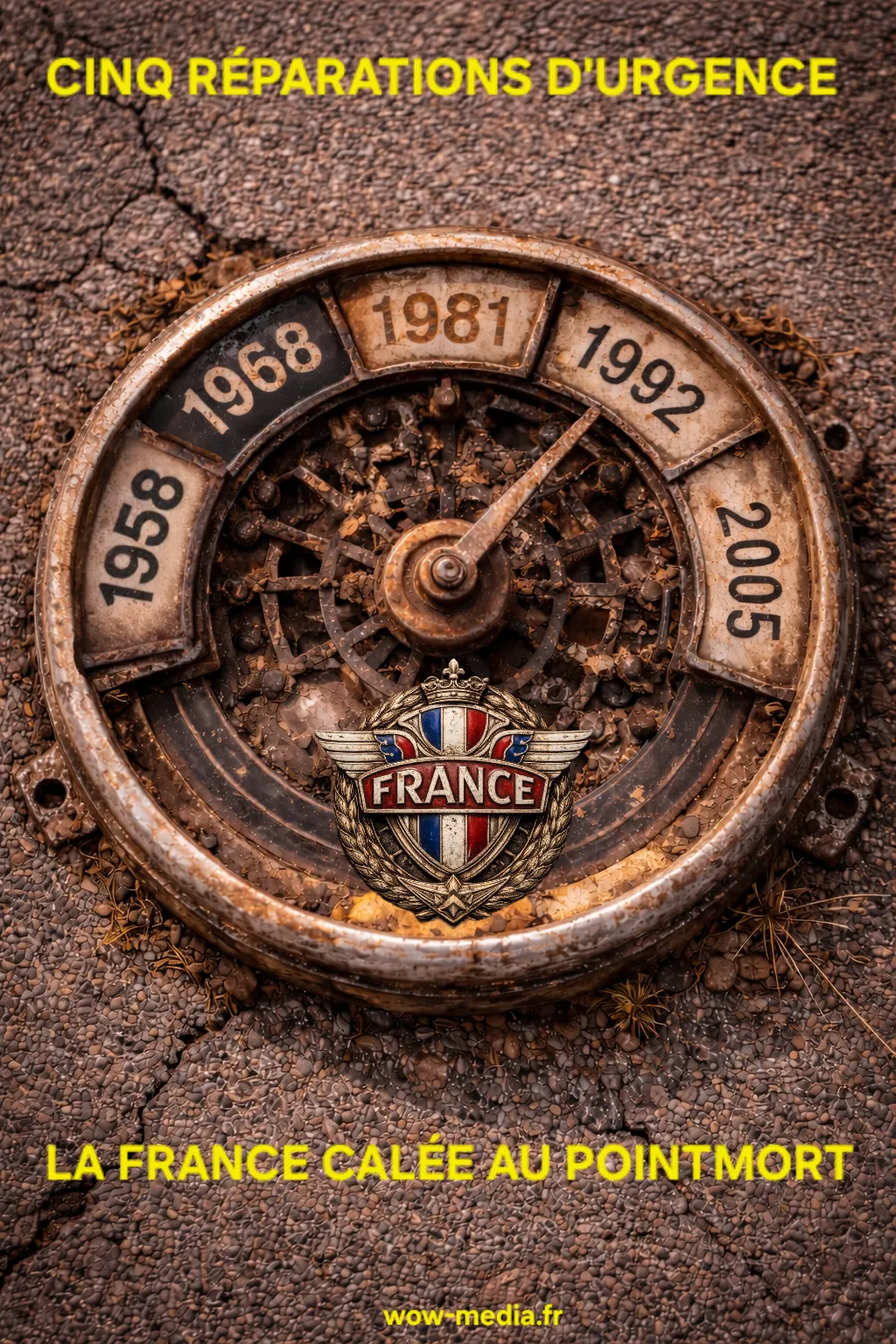
1958. 1968. 1981. 1992. 2005. Five pivotal years in modern French history.
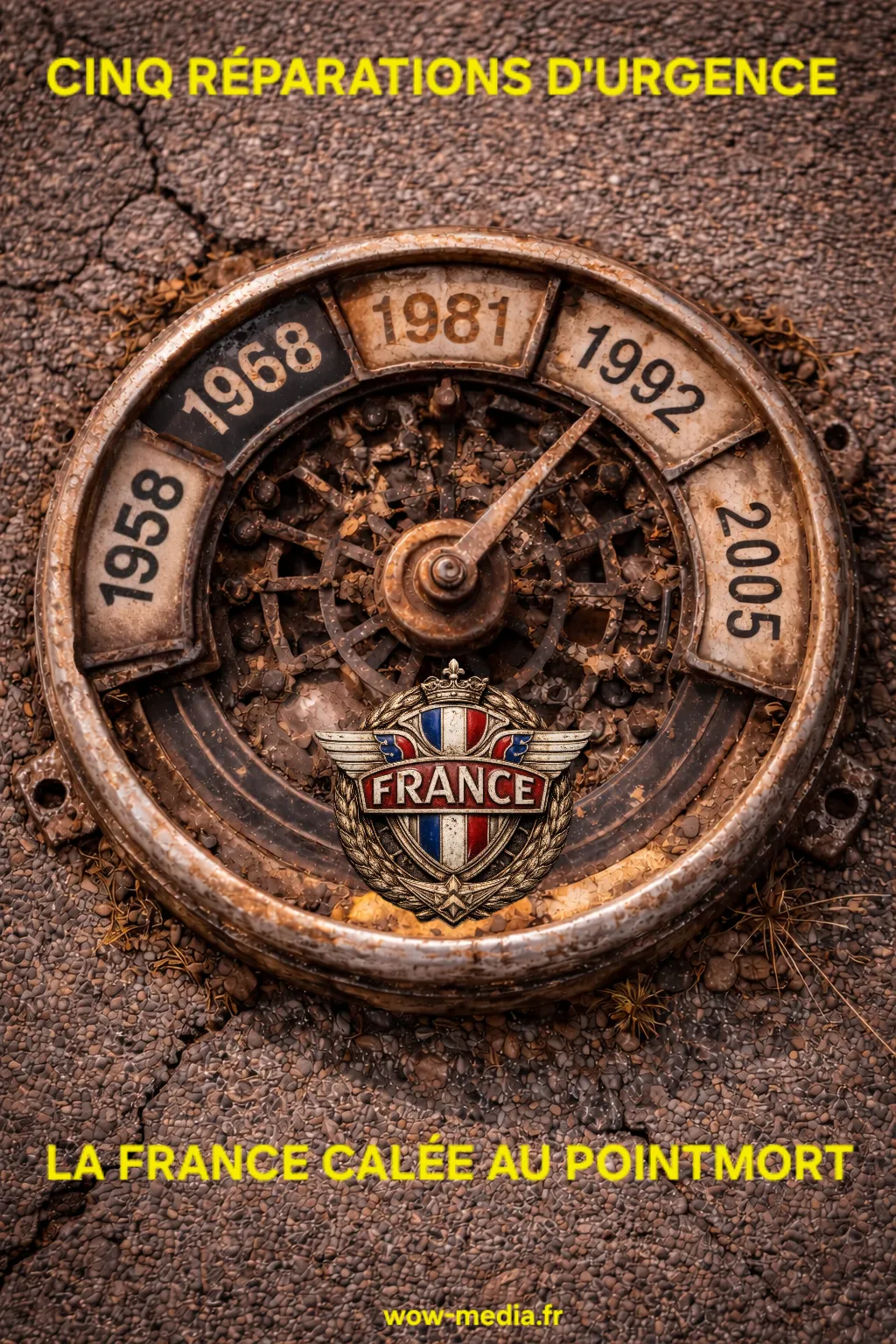
From the establishment of the French Fifth Republic in 1958 to the protests of 1968, the election of a socialist president in 1981, the ratification of the Maastricht Treaty in 1992, and the nationwide urban unrest of 2005, each moment marked a structural shift in France’s political and social landscape.
Each year exposes the same tension: elite-driven progress versus popular resistance. These are not just dates. They are fractures—moments when the old order cracked and the new one took shape. Today, these five historical fractures constrain France’s capacity to reform and adapt.
Far from being closed chapters, they function as structural taboos—political, institutional, and cultural fault lines that shape public debate, limit policy options, and inhibit consensus.
Together, they form a persistent “ceiling” over national transformation: a legacy that weighs on France’s ability to move forward in a rapidly changing global environment.
Paul Corey